
-
Obfuscated C Winner Emulates the Intel 4004 in 4,004 Bytes of C
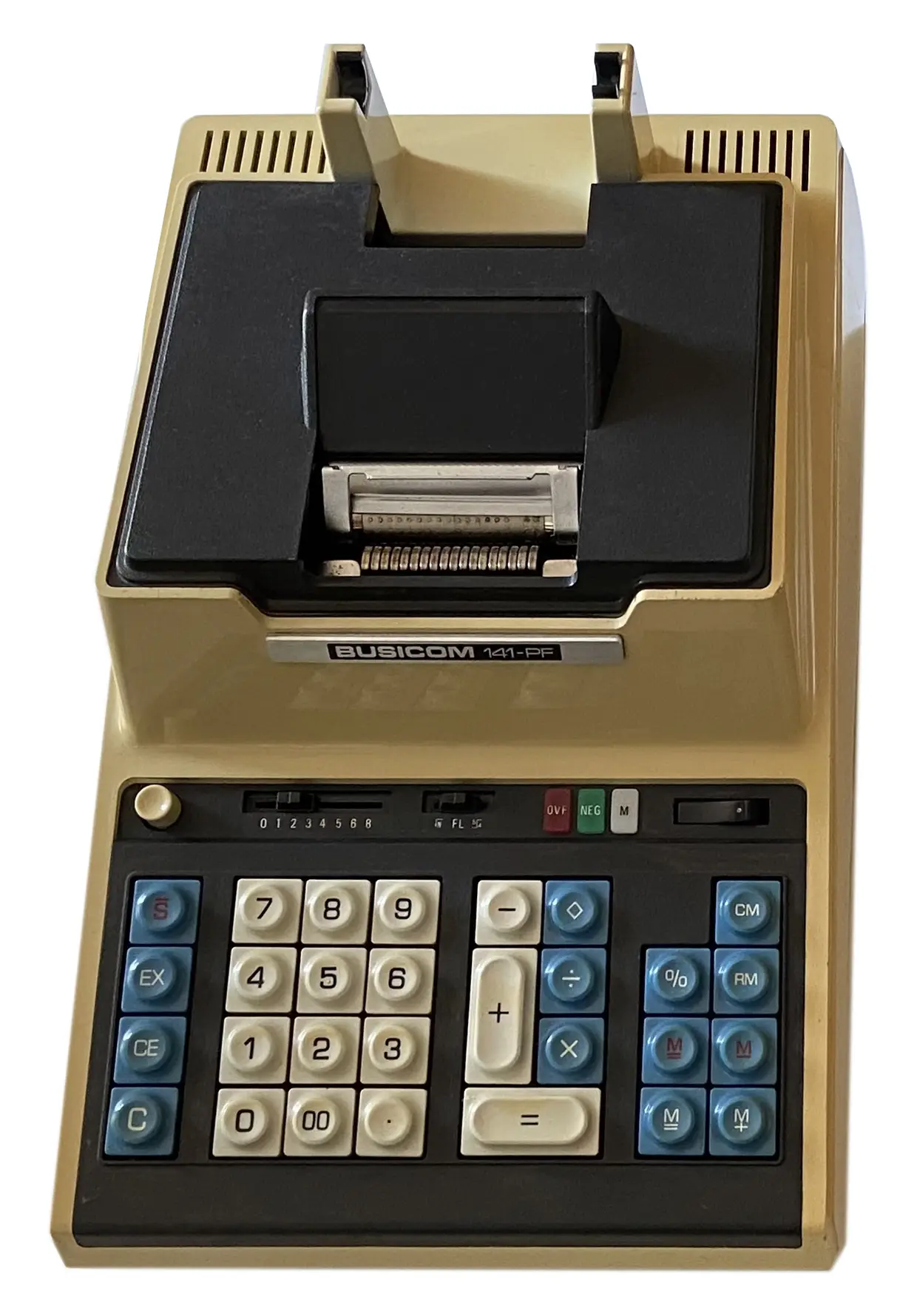
To win the International Obfuscated C Code Contest, some guy developed a gate-level emulator of an Intel 4004 and Busicom calculator in only 4,004 bytes of C. continue reading
-
Tesla Dojo Loses Mojo
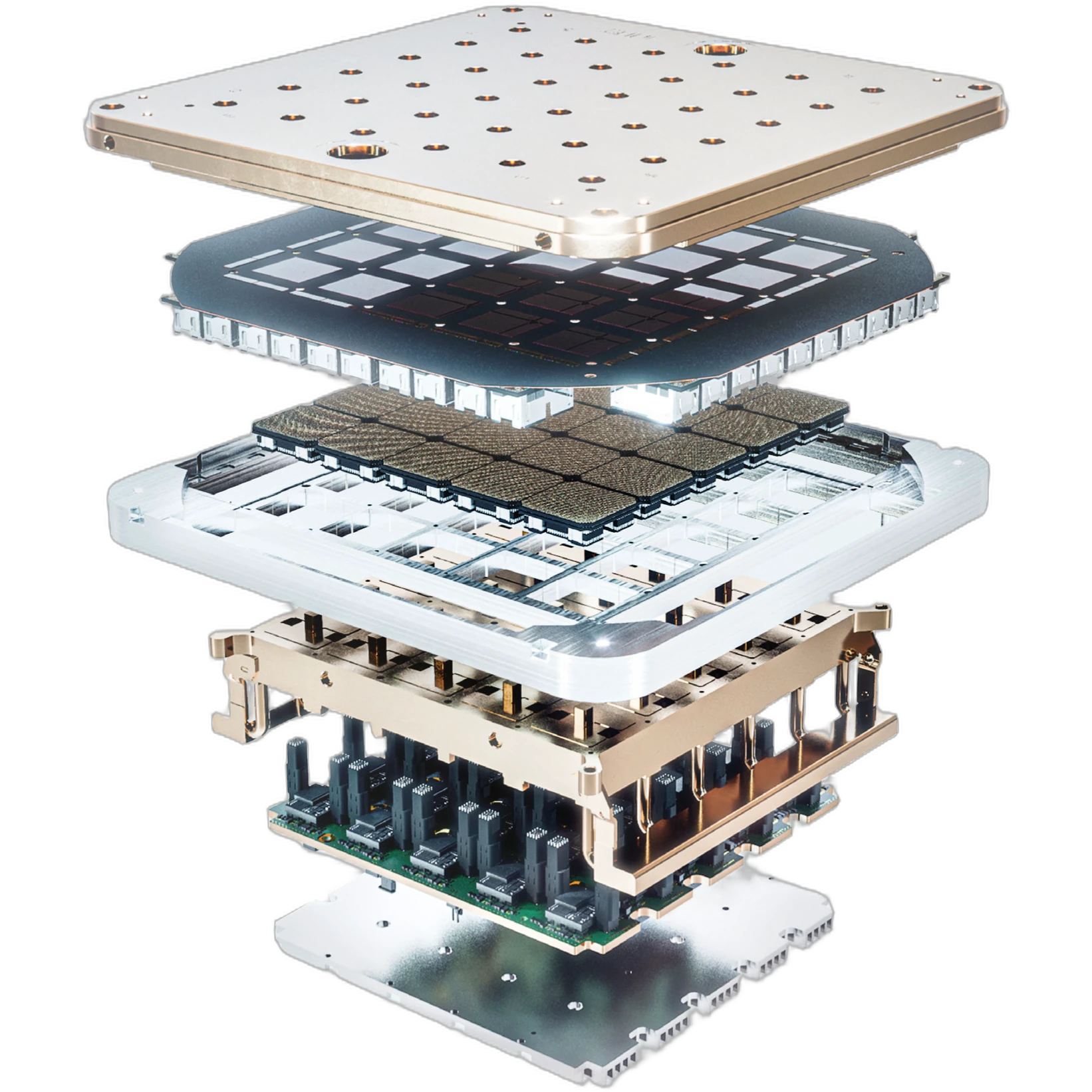
Four years after disclosing its D1 AI accelerator (NPU), the heart of its Dojo system, electric-car company Tesla has pulled the plug. After unveiling the D1, the company touted grand plans, promising in July 2023, when it began Dojo production (a year after the initial public target), that it will have deployed enough computing capacity… continue reading
-
Renesas Adds AI to an Industrial HMI Microprocessor

The Renesas RZ/G3E is an Arm-based microprocessor for industrial HMI applications that features Cortex-A55 CPUs, video codecs, and an Ethos-U55 NPU for AI. We see such chips as increasingly boxed in by competing alternatives, however. continue reading
-
What Would 100% Semiconductor Tariffs Mean?

The US proposes a 100% semiconductor tariff on imports. Details are unclear, but it could hit some unexpected countries. continue reading
-
Arm GPUs to Add Neural Networks to Graphics Processing
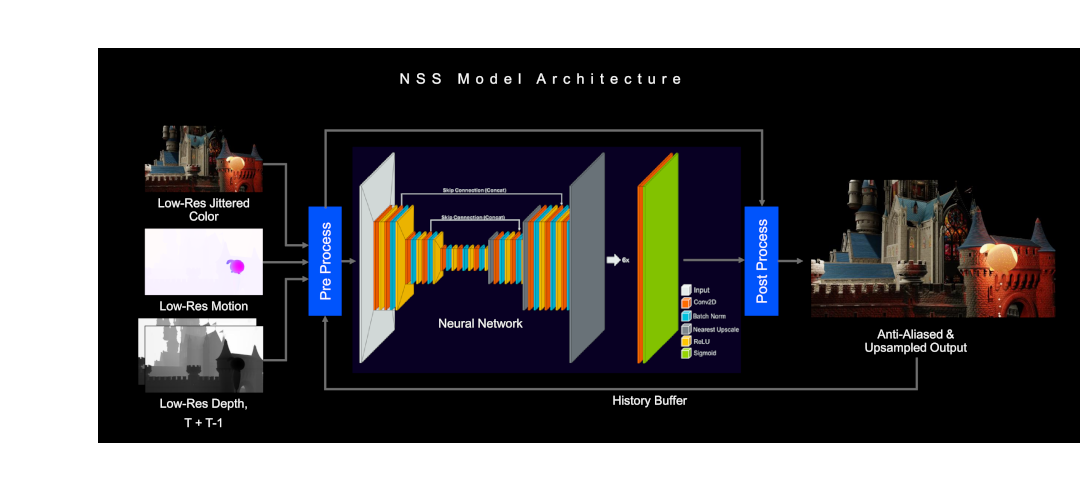
Arm is extending Vulkan to add neural networks to graphics processing. To be supported in its next-generation GPU, the Arm neural technology can reduce power. Arm’s first model, Neural Super Sampling (NSS), upscales images to a higher resolution. Future models will interpolate frames and improve ray-traced image quality. continue reading
-
SMT Offers a Choice Between Single-Thread and Total Throughput

Symmetric multithreading (SMT) may up total CPU throughput, but it slows each thread. It offers a valuable choice between total and single-thread performance. continue reading
Popular
Sponsored Content and Plugs
- BWR 12: The Memory Episode
- Slash Server Costs Without Hardware or Software Changes
- Ceva Boosts NeuPro-M NPU Throughput and Efficiency
- MEXT Helps IT Leaders Find the Sweet Spot
- Chips Act Backs Chiplets
Other Sites You Might Like
Read More
Amazon AMD Arm auto Broadcom business Cerebras Ceva CPU data center DPU DSP edge AI embedded FPGA Google GPU Groq IBM Imagination industrial Intel interconnect Marvell MCU MediaTek memory Meta MEXT Microsoft MLPerf NPU (AI accelerator) Nvidia OpenAI PC process tech Qualcomm RISC-V SambaNova smartphone SoftBank software Tensordyne Tenstorrent Upscale