
-
Nvidia Discloses Rubin CPX, an Unexpected Data-Center GPU
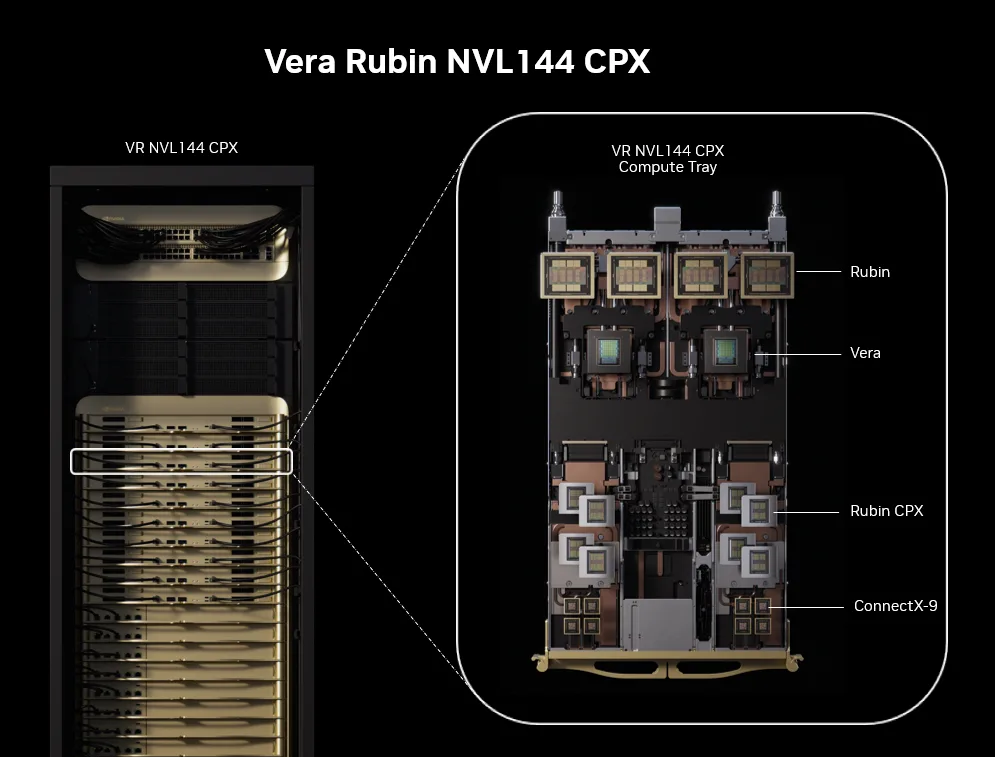
Nvidia has unveiled the Rubin CPX, an AI chip for data centers that was not previously on their public roadmaps. It can offload LLMs’ decode stages. continue reading
-
Nvidia Draws Intel Near

Nvidia is investing $5 billion in Intel. Intel agrees to supply Nvidia customized Xeons (presumably by adding NVLink) and to use Nvidia GPUs in its PC processors. continue reading
-
Can the Ubitium UB410 be the First Universal Processor?
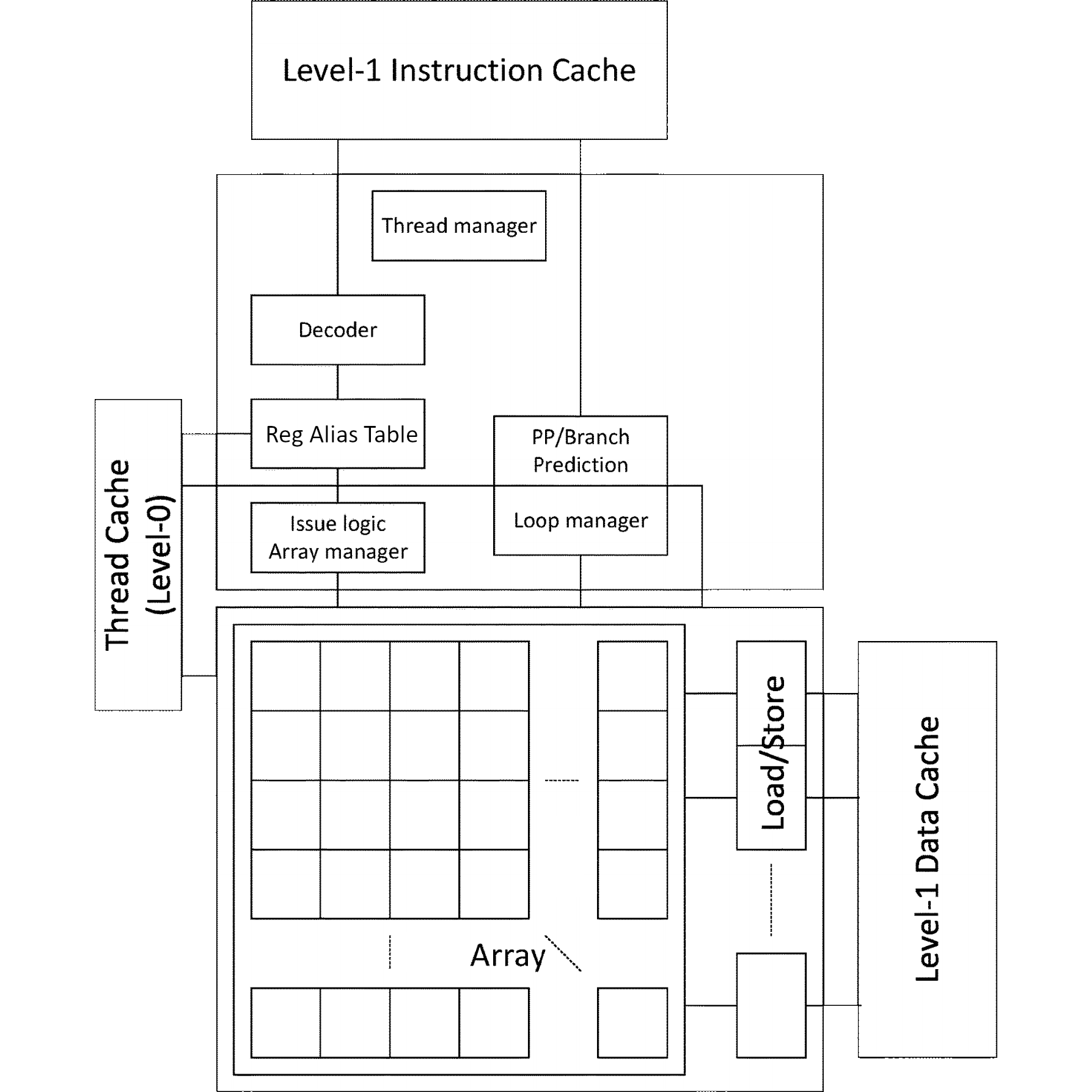
Startup Ubitium is about to tape out its first chip, which it calls a universal processor. The forthcoming UB410 is RISC-V compatible and aims to replace CPUs, GPUs, NPUs, DSPs, and FPGAs. Initially focusing on consumer applications, the company seeks to provide a unified environment for general-purpose, AI, signal-processing, and other code. Ubitium’s founders have… continue reading
-
Arm Reveals Lumex IP for Mobile Clients
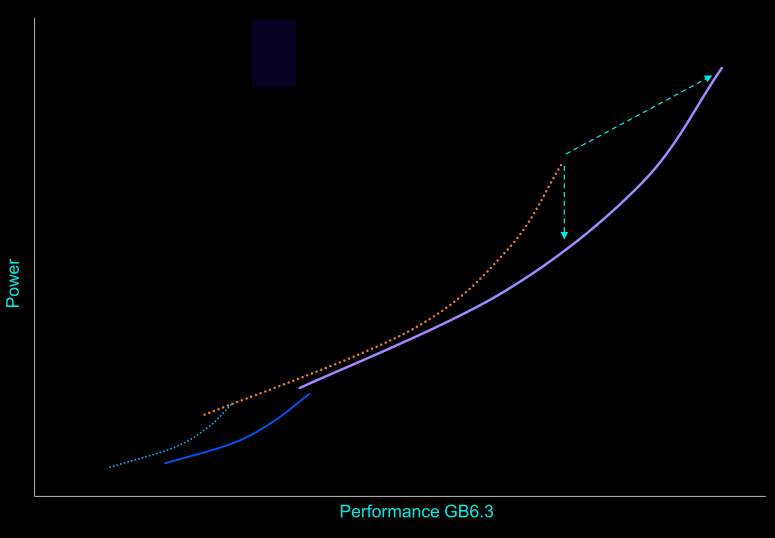
Arm has disclosed its first Lumex-branded licensable designs (IP) for mobile clients. Predominantly targeting smartphones, the Lumex platform includes four CPU performance tiers and is the company’s first implementation of Scalable Matrix Extensions (SME2) for AI processing and other matrix-math workloads. Alongside the new CPUs, Arm has updated its Mali GPU, adding ray-tracing acceleration. New… continue reading
-
RISC-V Startup Condor Computing’s Cuzco Core Takes Flight
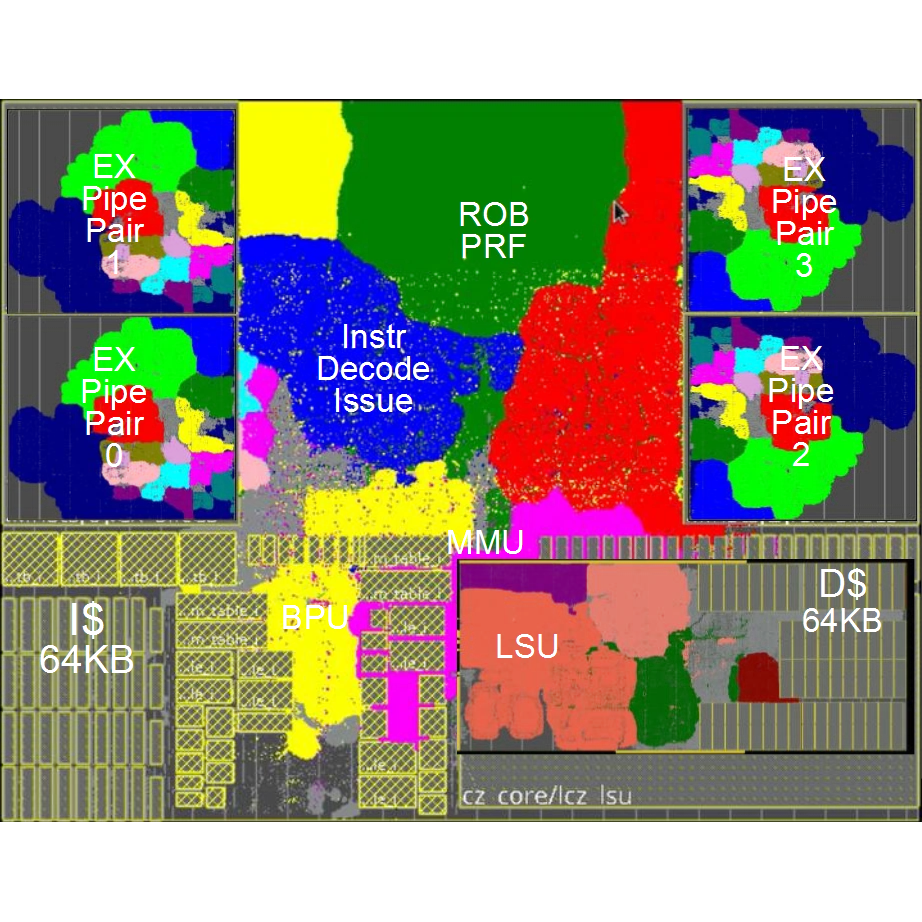
Condor Computing’s new Cuzco RISC-V core uses novel time-based instruction issuing, reducing power and area by eliminating CAM circuits and instruction replays. It’s a major microarchitectural innovation that exemplifies the opportunities the open RISC-V architecture fosters. continue reading
-
Let’s Talk About Intel 18A Yield Rumors

This video discusses reports that have surfaced indicating that Intel 18A has poor yields. continue reading
Popular
Sponsored Content and Plugs
- BWR 12: The Memory Episode
- Slash Server Costs Without Hardware or Software Changes
- Ceva Boosts NeuPro-M NPU Throughput and Efficiency
- MEXT Helps IT Leaders Find the Sweet Spot
- Chips Act Backs Chiplets
Other Sites You Might Like
Read More
Amazon AMD Arm auto Broadcom business Cerebras Ceva CPU data center DPU DSP edge AI embedded FPGA Google GPU Groq IBM Imagination industrial Intel interconnect Marvell MCU MediaTek memory Meta MEXT Microsoft MLPerf NPU (AI accelerator) Nvidia OpenAI PC process tech Qualcomm RISC-V SambaNova smartphone SoftBank software Tensordyne Tenstorrent Upscale