
-
GlobalFoundries to Acquire MIPS

Semiconductor manufacturer GlobalFoundries has agreed to acquire RISC-V supplier MIPS, an unexpected pairing of nonoverlapping businesses. The companies have withheld the price, indicating it is immaterial to the acquirer. MIPS will retain autonomy after the acquisition and still serve customers of other foundries. The deal solidifies MIPS’s status as a going concern, trading its venture-capital… continue reading
-
Esperanto Technologies Exits AI Chips

Esperanto is seeking a buyer or licensor for its low-power AI processor design and component technologies such as RISC-V cores and SRAM cells. Founded in 2014, its first-gen chip was architected for a different era. continue reading
-
Intel Auto Business Runs Out of Gas

Intel is shuttering its automotive business as it focuses on its core computing and manufacturing operations. The company has been a long-time supplier to the auto industry, albeit with waxing and waning enthusiasm. Independently managed, Altera and Mobileye are unaffected by this decision. When Intel addresses computing-adjacent markets, its initial strategy is to sell what… continue reading
-
Microsoft’s Maia NPU Slips
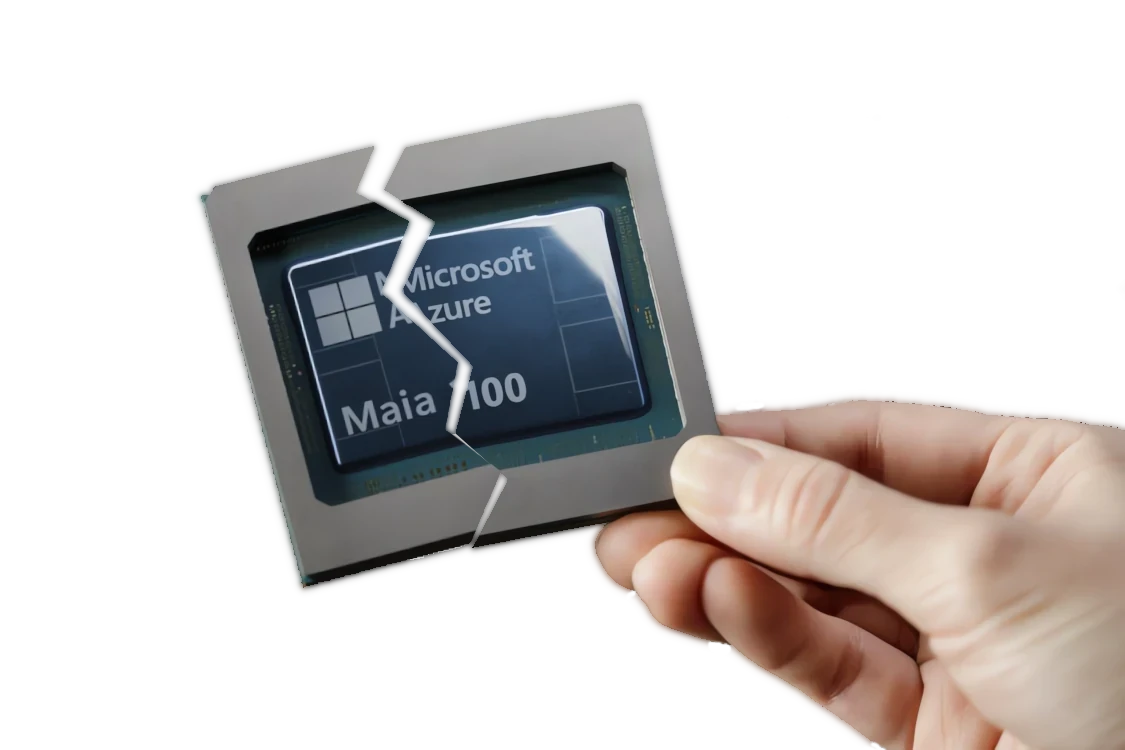
Microsoft’s next-gen [there was a first gen?] proprietary AI accelerator (NPU) is falling behind schedule, according to various sites citing The Information. Called Maia or Braga, the in-house design would reduce the company’s reliance on Nvidia and could be more cost- and power-efficient. Whereas Google has deployed several generations of its TPU AI accelerator and… continue reading
-
Google TPU to Host OpenAI Models
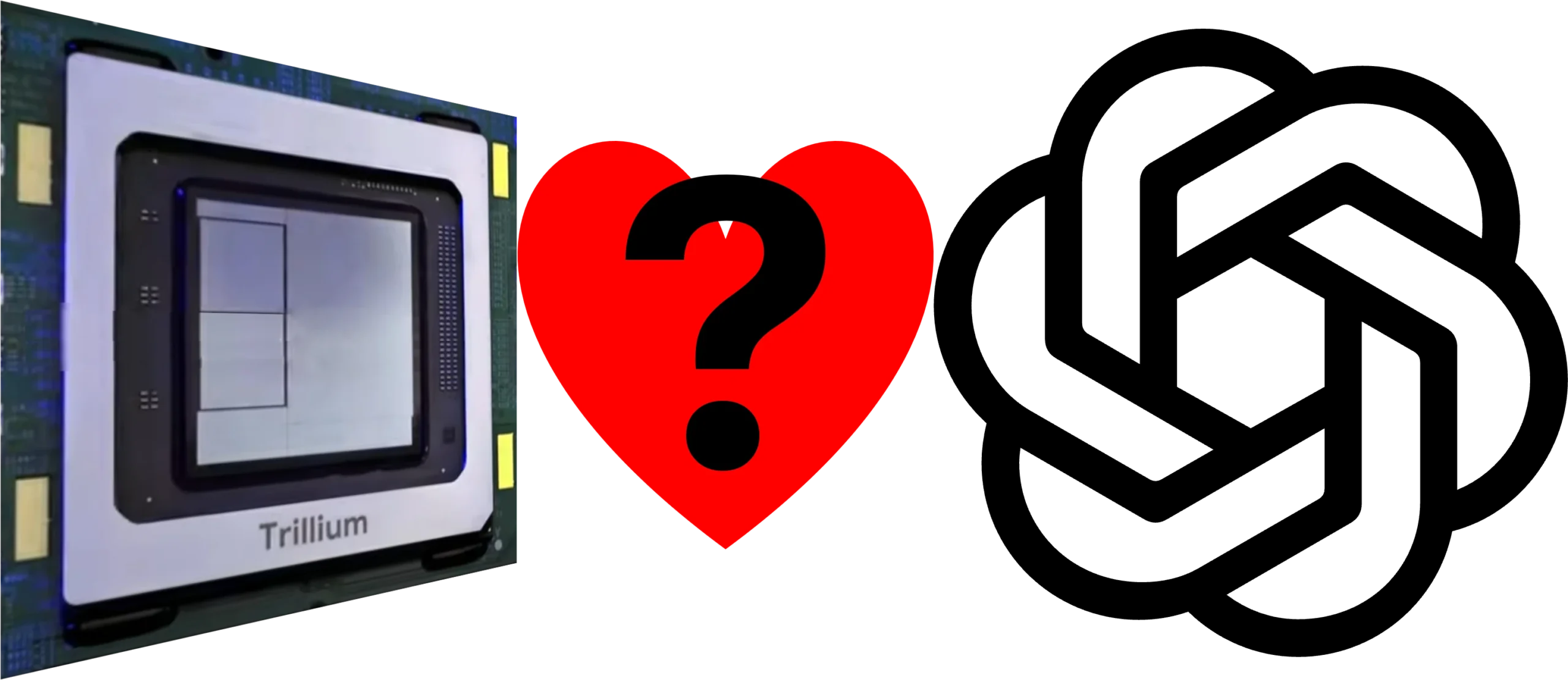
OpenAI is not deploying inference services on Google TPUs, according to Reuters. The news service previously reported that the ChatGPT developer had agreed to use Google Cloud. Subsequently various free-to-read sites parroted The Information, saying OpenAI would employ the TPU. Running OpenAI services on the TPU would reduce its reliance on Nvidia GPUs hosted by… continue reading
-
The MCUs Aren’t All Right

While AI processor sales soar, the broader processor market, particularly MCUs, faces a downturn fueled by post-pandemic inventory corrections and economic slowdown. continue reading
Popular
Sponsored Content and Plugs
- BWR 12: The Memory Episode
- Slash Server Costs Without Hardware or Software Changes
- Ceva Boosts NeuPro-M NPU Throughput and Efficiency
- MEXT Helps IT Leaders Find the Sweet Spot
- Chips Act Backs Chiplets
Other Sites You Might Like
Read More
Amazon AMD Arm auto Broadcom business Cerebras Ceva CPU data center DPU DSP edge AI embedded FPGA Google GPU Groq IBM Imagination industrial Intel interconnect Marvell MCU MediaTek memory Meta MEXT Microsoft MLPerf NPU (AI accelerator) Nvidia OpenAI PC process tech Qualcomm RISC-V SambaNova smartphone SoftBank software Tensordyne Tenstorrent Upscale