
-
Meta MTIA Metes Out Recommendations
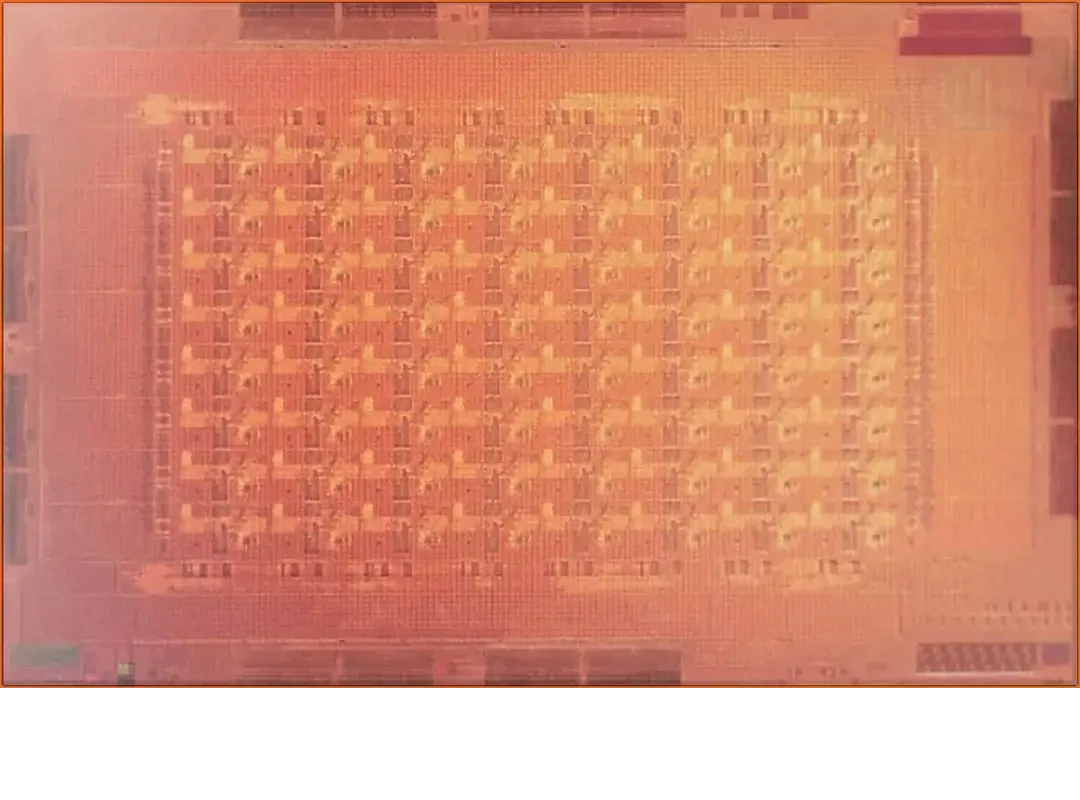
Meta has deployed its custom MTIA NPU, boasting 3× faster inference for ad & recommendation models compared to its 1st gen. Built on TSMC’s N5 process and integrating RISC-V CPUs, this AI chip prioritizes efficiency for large-scale data center deployments. continue reading
-
Movellus AWM3 Speeds Up Droop Response for Monster Data Center Chips

The Movellus AWM3 clock generator tackles voltage droop in massive data center chips. Its 50% faster response helps improve performance and reduce energy consumption. By offering closed-loop droop detection, response, and analysis, Movellus aims to simplify chip design for next-gen processing units. continue reading
-
Syntiant NDP250 Supercharges Edge AI with At-Memory Architecture

Syntiant’s NDP250 NPU boasts 5× faster performance for edge AI tasks. This low-power chip uses an at-memory design for efficient processing in applications like smart doorbells. The company offers development tools, production-quality pretrained models, and services to simplify AI implementation, not just for use with its NPUs but also with other chips. continue reading
-
Is Windows AI Explorer Exclusive to Snapdragon or Open to All?

Rumors suggest Microsoft’s Windows AI Explorer might require a Qualcomm Snapdragon Elite X processor. This raises questions about Microsoft’s strategy: leverage a limited base for high profits (a skim strategy) or prioritize wider adoption (a penetrate strategy). While Intel boasts AI-powered processors in 2024, they lag competing chips from AMD and Qualcomm. With Arm PC… continue reading
-
Rivos Emerges from Stealth, Hints at RISC-V Plans

Rivos has raised $250 million to develop a RISC-V-based processor that accelerates data-parallel operations yet aims to be easy to program. continue reading
-
Another Cloud Company Flexes Arm

Google joins the Arm server race with its Axion processor, promising better performance and efficiency than x86 chips for Google Cloud. Axion frees Google from reliance on AMD and Intel and could reduce costs, including energy expenses. As Arm’s ecosystem grows, cloud customers may also benefit. continue reading
Popular
Sponsored Content and Plugs
- BWR 12: The Memory Episode
- Slash Server Costs Without Hardware or Software Changes
- Ceva Boosts NeuPro-M NPU Throughput and Efficiency
- MEXT Helps IT Leaders Find the Sweet Spot
- Chips Act Backs Chiplets
Other Sites You Might Like
Read More
Amazon AMD Arm auto Broadcom business Cerebras Ceva CPU data center DPU DSP edge AI embedded FPGA Google GPU Groq IBM Imagination industrial Intel interconnect Marvell MCU MediaTek memory Meta MEXT Microsoft MLPerf NPU (AI accelerator) Nvidia OpenAI PC process tech Qualcomm RISC-V SambaNova smartphone SoftBank software Tensordyne Tenstorrent Upscale