
-
AI, RISC-V, and FPGAs Take the Stage at Embedded World 2024

Embedded World 2024 showcased advancements in processor technology, including for artificial intelligence (AI), the RISC-V CPU architecture, and field-programmable gate arrays (FPGAs), including announcements from Altera, AMD, Arm, NXP, and others. continue reading
-
Generative AI at the Edge Gets a New Hailo Product

Israeli startup Hailo unveiled the Hailo-10 edge-AI NPU. Rated at 40 TOPS, it offers 50% more peak performance than the earlier Hailo-8, purportedly to handle gen AI. continue reading
-
NeuReality NR-1: AI-Processing Revolution or Time to Accept the Old Reality?

NeuReality, an Israeli startup, challenges the AI-processing landscape with the NR-1. Calling it a network-addressable processing unit (NAPU), the company aims to streamline AI inference by managing data flow, scheduling tasks, and potentially reducing reliance on CPUs. continue reading
-
Nvidia Blackwell GPU Promises 30× Speedup, but Expect 3×
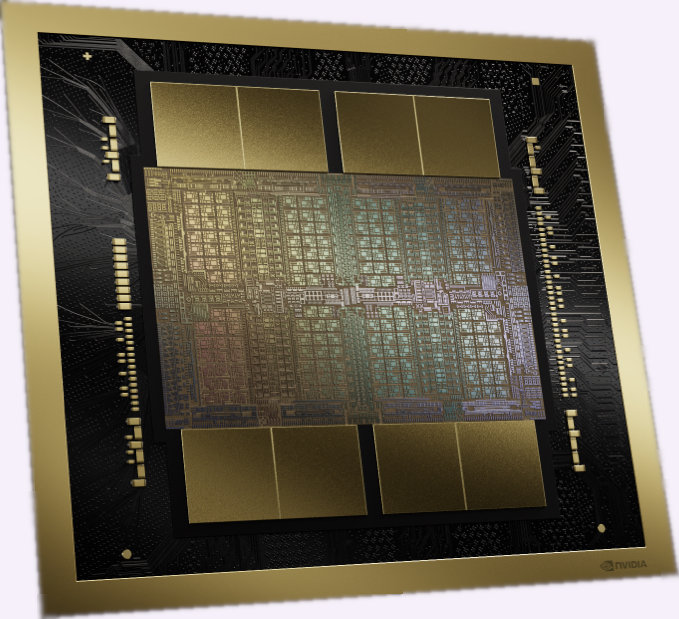
Nvidia Blackwell promises performance leaps but at what cost? Are are the claims realistic, and can competitors keep up? Dive into the specs, anticipated release timing, competition, and potential impact on the AI hardware landscape. continue reading
-
Hell Hath No Fury Like an Engineer Bored

A software developer turned hardware homebrewer, Dylan Barrie has developed his own GPU. continue reading
-
Cerebras WSE-3 Targets the Biggest AI Models with Twice WSE-2’s FP16 Performance

Unique wafer-scale Cerebras WSE-3 AI accelerator with capacious memory and unusual service business tackles AI projects, such as GPT and generative AI. continue reading
Popular
Sponsored Content and Plugs
- BWR 12: The Memory Episode
- Slash Server Costs Without Hardware or Software Changes
- Ceva Boosts NeuPro-M NPU Throughput and Efficiency
- MEXT Helps IT Leaders Find the Sweet Spot
- Chips Act Backs Chiplets
Other Sites You Might Like
Read More
Amazon AMD Arm auto Broadcom business Cerebras Ceva CPU data center DPU DSP edge AI embedded FPGA Google GPU Groq IBM Imagination industrial Intel interconnect Marvell MCU MediaTek memory Meta MEXT Microsoft MLPerf NPU (AI accelerator) Nvidia OpenAI PC process tech Qualcomm RISC-V SambaNova smartphone SoftBank software Tensordyne Tenstorrent Upscale